


Fork Positioner Vs Side Shifter: What Is The Difference?
Fork positioners and side shifters are two common forklift functions, but they do different jobs.
The easiest way to understand the difference is:
A fork positioner changes the distance between the two forks.
A side shifter moves both forks together to the left or right.
For forklifts handling different load sizes, these two functions can improve operating efficiency.
Products Description
A hydraulic fork positioner allows the operator to adjust fork spacing from the driver's seat.
This is useful when the forklift regularly handles materials with different widths.
Typical applications include:
different pallet sizes
machinery
molds
steel products
construction components
On a heavy duty forklift, the forks themselves can be very heavy. Hydraulic positioning avoids the need for manual adjustment.

What Does A Side Shifter Do?
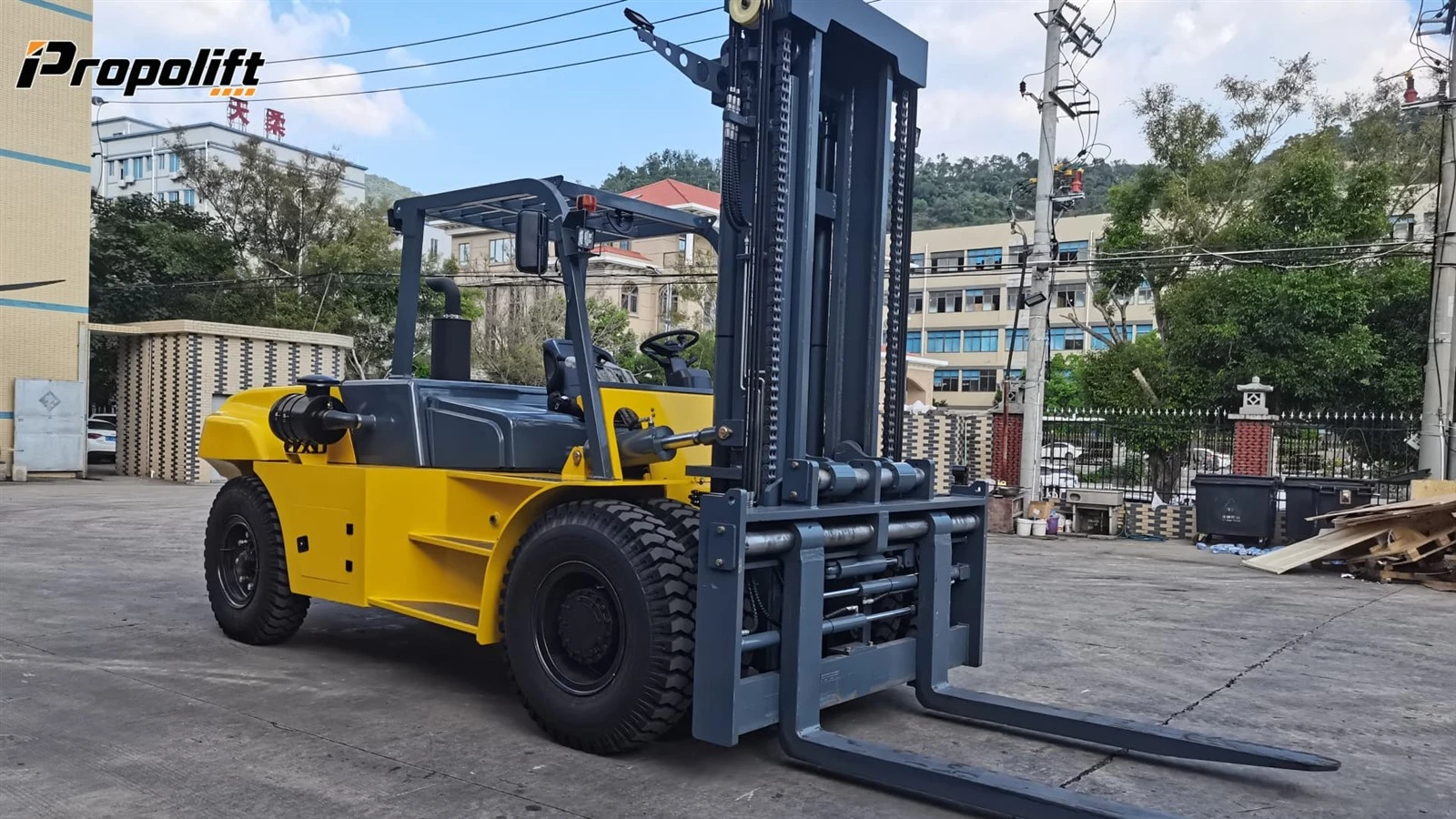
A side shifter moves the entire fork assembly sideways.
The distance between the two forks remains the same.
This is useful when the forklift is already close to the load but needs a small left or right correction.
Instead of moving the entire truck again, the operator can adjust the fork position hydraulically.
This can make positioning easier when loading trucks, placing machinery or working in limited spaces.
Can A Forklift Have Both Functions?
Yes.
Many industrial forklifts can be equipped with both fork positioning and side shifting.
In this case, one hydraulic function controls fork opening and closing, while another controls side movement.
For heavy duty forklifts, this combination can be particularly useful because repositioning a large truck repeatedly may be inconvenient.
However, additional hydraulic functions normally require extra valves, hoses and control levers.
For this reason, customers should confirm the required fork movements before production.
When discussing attachments with a forklift manufacturer, it is often better to describe the required movement clearly rather than only giving the attachment name.